Small Company, Big Civic Impact
As Niki Gorick prepares a new photographic account of the current Lady Mayor’s year and the contribution of the City’s livery companies, the Worshipful Company of Cooks offers a vivid example of how deep tradition can still serve public life.

The Worshipful Company of Cooks matters to the City of London not simply because it is old, but because it helps explain why the livery companies still occupy such a distinctive place in civic life. It links craft, charity, education, fellowship and public service to the institutions of the Square Mile, including the Lord Mayor, the Sheriffs and the civic programme that gives the City much of its ceremonial and philanthropic energy.
In that wider story, the Cooks can act as a bridge between past and present. Their history begins with the regulation of food and the protection of a working trade, but their modern significance lies in how they support people, projects and institutions that strengthen the City’s social purpose as well as the hospitality industry.
A Guild Born to Protect a Trade
The Worshipful Company of Cooks traces its origins to medieval London, when the Cooks of Eastcheap and the Cooks of Bread Street joined forces around 1170 to regulate the City’s food trade. Their purpose was practical and protective: to train cooks, secure standards, guard members’ interests and ensure that those preparing food within the City operated under recognised rules. In 1482, King Edward IV formalised this authority with a Royal Charter, later renewed by Charles II in 1663.
In its earliest form, the Company functioned much like a closed-shop professional body. Membership protected the right to practise, upheld standards in the kitchens and markets of London, and gave cooks both collective identity and influence. The Company’s story therefore begins not with ceremony, but with the everyday business of food safety, skill and economic survival.
Fire, Foreign Chefs and the End of the Old Order
By the 18th and 19th centuries, the world that had sustained the Company was changing fast. London’s dining culture expanded, elite chefs arrived from the continent, and old guild rules became harder to enforce. As more cooks worked outside the traditional English guild structure, the Company’s ability to require membership weakened. What had once been a powerful trade regulator began to lose its grip on the profession it had helped define.
The Company also faced practical setbacks. Cooks’ Hall on Aldersgate Street was destroyed in the Great Fire of London in 1666, rebuilt, and then lost again to fire in 1771. Rather than risk ruin by rebuilding at huge cost, the Company chose a different path: it operated without its own hall, leased land for income, reduced overheads and used other livery halls for meetings and banquets. Out of necessity came a leaner and more resilient institution.

From Apprenticeship to Education
The decline of compulsory apprenticeship was another turning point. For centuries, training in the craft had rested on a formal relationship between master and apprentice. But as legal requirements fell away, young cooks no longer needed the Company’s permission to work in London kitchens. Membership increasingly came through patrimony or redemption rather than hands-on training in the trade.
Yet the Company did not disappear. Instead, it redirected its purpose. By the late 19th century, it was supporting technical education, cookery training and domestic science at a time when food work was expanding across homes, clubs, restaurants and public institutions. Its role shifted from controlling cooks to enabling future generations to learn, progress and serve the wider food industry. The Cooks were one of the founder members of the City & Guilds Institute establishing qualifications – including NVQs – in catering.
The Smallest Livery, with a Civic Reach
Today, the Worshipful Company of Cooks is the smallest of the City of London’s livery companies, but its importance is not measured by numbers. In civic terms, the Cooks punch above their weight: their members are part of the electorate that helps choose the Lord Mayor and Sheriffs, and the Company contributes actively to the network of guilds that gives the mayoralty reach, character and practical support.
That relationship matters because the Lord Mayor’s year is not carried by office alone. It is energised by the livery companies: by their charitable giving, their professional networks, their schools and apprenticeships, their dinners and services, and their ability to convene people around causes larger than themselves. The Cooks bring to that landscape a direct connection with food, hospitality, education and service: themes that naturally cut across both the ceremonial and practical life of the City.
The Cooks and the Mayoral Story
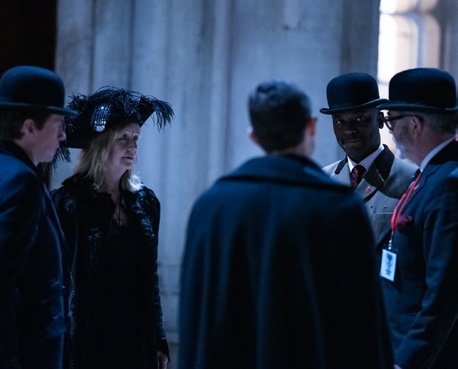
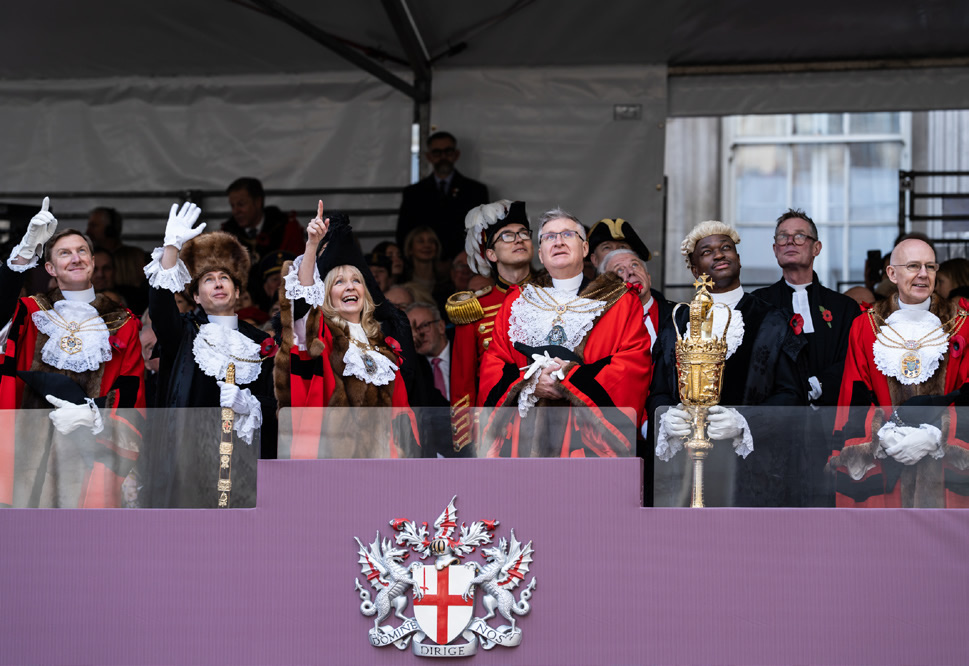
Niki Gorick’s latest book places the current Lady Mayor, Dame Susan Langley DBE, and the City’s livery companies within a broader story of civic life, ceremony and service. Niki Gorick is a renowned photographer, known for her candid capture of life in London against the backdrop of its buildings, famous landscapes and diverse communities. Her latest project turns that same attentive eye to the ceremonial City, showing how the livery companies and their activities support civic life and remain relevant to London today.
Within that wider frame, the Company’s role helps show how the mayoralty depends on partnerships. The Lady Mayor’s priorities include strengthening London’s global leadership, enhancing its reputation, supporting growth and ensuring that the City makes a positive social impact. The livery companies help turn those ambitions into lived examples: through charitable giving, vocational education, links with trades and professions, and the sustained volunteer effort that sits behind public ceremony.
Projects That Bring Tradition to Life

The strongest illustration of the Company’s modern purpose lies in the projects it supports. Niki has shadowed the Master and Past Masters as they attended initiatives connected with culinary training, vocational opportunity and social good, including Springboard’s FutureChef, the Clink Café, the HRC competition and the Ex-Army Caterer. These examples show the Cooks acting not simply as custodians of an old craft, but as practical supporters of people who are learning, rebuilding careers or finding routes into hospitality.
The Company’s support also reaches into the City’s broader charitable and civic landscape. City projects associated with the Cooks include City Food Harvest, Treloar’s School, the Annual Livery Careers Event, No Going Back and support for the Lord Mayor’s Appeal. Taken together, they connect food, skills, rehabilitation, opportunity and care: the same themes that have allowed the Company to move from medieval regulation to modern public benefit.
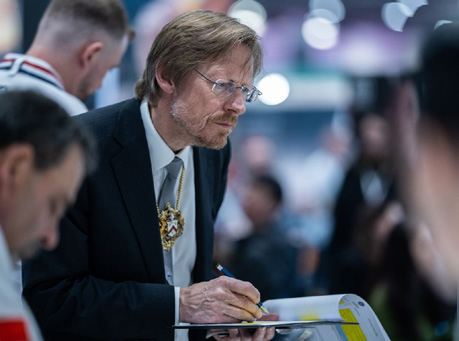
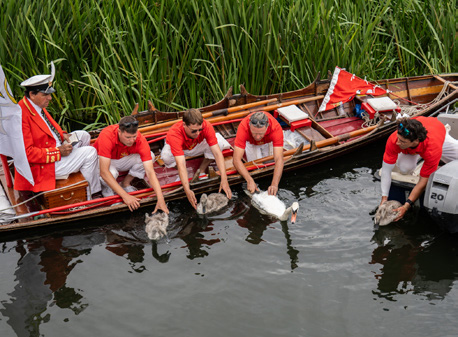
These projects also give Niki’s book a narrative beyond pageantry. The Lady Mayor’s Show, rehearsals in Guildhall Yard, livery processions, Swan Upping, charity walks and visits to supported institutions all reveal a civic world that is both ceremonial and active. In that world, the Cooks’ contribution is particularly tangible: they bring the language of food, service, hospitality and training into the City’s continuing effort to support communities well beyond its formal boundaries.
An Ancient Company Serving a Modern City

The Worshipful Company of Cooks has survived because it has repeatedly changed without severing its roots. It began by protecting a trade, endured the loss of regulatory power and physical headquarters, reinvented itself through education and philanthropy, and now contributes to a broader civic movement that helps explain the continuing relevance of the Lord Mayor, the Lady Mayor and the livery companies.
Its story is therefore more than a curiosity of City history. It is a case study in how inheritance becomes service: a medieval guild that learned to trade authority for influence, property for agility, and exclusivity for public benefit. In the context of Niki Gorick’s wider work, the Cooks can help illuminate a central truth about the City of London: tradition matters most when it is mobilised for people, projects and public good.