
The British Culinary Challenge returned to Central Bedfordshire College in Dunstable on 27-28 May 2026, bringing together student chefs and front-of-house competitors from across the UK for two days of live competition, technical tests and creative display work. Organised by the Craft Guild of Chefs and supported by Central Bedfordshire College, the event has become one of the country’s most respected platforms for emerging culinary and hospitality talent, with the Worshipful Company of Cooks playing a visible role through its sponsorship and judging support.
With around 250 entrants competing over the two-day salon — the highest number since COVID — the 2026 event underlined both the ambition of the competitors and the growing strength of hospitality education. The competition is designed to be serious and challenging while remaining accessible, giving young people the chance to test themselves under judging conditions and build confidence on a professional stage. Here, What’s Cooking shines a light on some of the highlights.
Competition sections
The salon was organised into four core areas: Live Hot, Live Cold, Salon Display and Restaurant Service. Together, these sections created a broad test of modern hospitality skills, from speed and flavour under pressure to classical preparation, edible showpieces, table presentation and beverage service.
Live Hot Classes
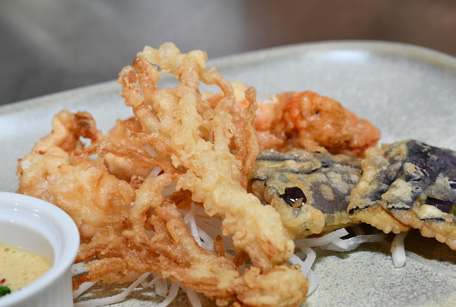
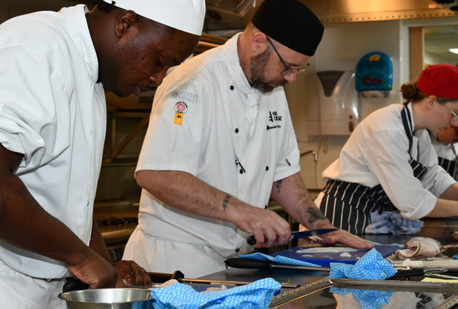
The Live Hot section placed competitors directly against the clock, asking them to deliver restaurant-quality dishes in tightly controlled time limits. The programme ranged from risotto, pasta, burgers and hot dogs to lamb, pork, chicken, fish, tempura, Asian-inspired dishes and the UK Curry Championships. Many classes required two identical portions, clear menu descriptions and careful use of sponsor ingredients, while the Worshipful Company of Cooks-sponsored Eric Bruce Memorial Trophy stood out as a major team challenge, adding extra pressure through teamwork, limited preparation time and polished food-and-drink presentation.
- 30-minute individual hot classes: risotto, pasta, burger with side and relish, fine-dining chicken main, Marrfish fish dish, banquet-style lamb, Wenlock Spring tempura, Asian/Oriental vegetarian main, street food in eco containers, and Asian/Oriental dessert or pastry.
- Shorter hot class: pork fillet, requiring two gastro-pub style dishes in 25 minutes.
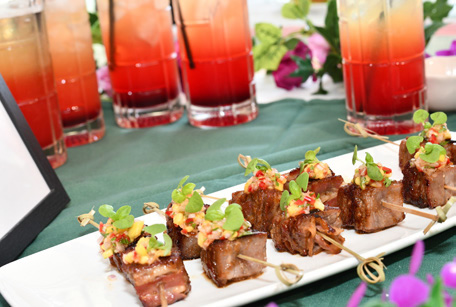
- Longer or team challenges: Mystery Basket, requiring two starters and two mains from a £10 basket plus basics in one hour; UK Curry Championships, requiring two vegetarian or seafood starters and two lamb mains in one hour; and the Worshipful Company of Cooks-sponsored Eric Bruce Memorial Trophy, requiring a chef/waiter team to assemble 12 hot canapés and six themed cocktails or mocktails in 40 minutes.
- Sponsor-led ingredient challenges: Clawson Farms Stilton, The Sausage Man, Essential Cuisine, Marrfish and Wenlock Spring all required competitors to showcase specific sponsored products or ingredients.




Live Cold Classes
The Live Cold classes focused on precision, neatness and technical control. Competitors were challenged on areas including plated desserts, vegetable cuts, chicken preparation, gateau decoration, cupcakes, fish filleting, bread moulding, seafood cocktail and sushi. With most classes allowing just 20 minutes, this section rewarded competitors who could combine calm preparation with accuracy, clean presentation and strong finishing skills.
- Most 20-minute technical tests: plated dessert, vegetable cuts, chicken for sauté, mocha gateau, decorated cupcakes, fish filleting, bread moulding and live sushi.
- Seafood cocktail: a slightly longer 25-minute class requiring 500ml fresh mayonnaise and two seafood cocktail portions using it.
- Precision and presentation focus: competitors were assessed on accuracy, finish and control, from knife skills and butchery to pastry decoration, bread shaping and sushi presentation.
- Pre-prepared components: some classes, including plated dessert and gateau, allowed components such as bases, buttercream and garnishes to be prepared in advance, shifting the emphasis to assembly presentation under time pressure.
Salon Display Classes
The Salon Display section celebrated the artistic and technical side of the craft. Competitors presented finished work across bread, desserts, cakes, cold platters, terrines, showpieces and carving. These classes placed particular emphasis on visual impact, consistency, edible construction and menu description, allowing competitors to demonstrate not only what they could cook, but how effectively they could communicate their ideas through finished food displays.

- Bread, pastry and dessert displays: bread display, decorated fruit tart, cold dessert, cupcakes, afternoon tea pastries and coeliac cake, with most requiring a menu description.
- Cakes and decorative work: novelty cake, celebration cake and decorative display piece, all emphasising edible construction, visual impact and clear display standards.
- Savoury and plated display work: terrine/pâté en croûte, main course plates and cold show platter, requiring restaurant-style presentation, garnishes, sauces and clear portioning.
- Creative show skills: fruit or vegetable carving and edible display pieces allowed competitors to demonstrate artistry, scale and technical finish.
- Common requirement: the section placed strong emphasis on presentation, consistency and menu description, showing how competitors communicate their ideas through finished food displays.
Restaurant Service Classes
Restaurant Service had a stronger presence than in previous years, reflecting the growing importance of front-of-house skills within hospitality training. Competitors demonstrated practical service skills through napkin folding, themed cocktails and mocktails, table lay-up, Caesar salad preparation and coffee service. The section highlighted how service, presentation and product knowledge are essential partners to culinary excellence.
- Table and service craft: napkin folding required five free-standing folds, two of each; table lay-up required a summer-themed table for two with a three-course menu and mocktail.
- Drinks service: competitors produced gin cocktails and mocktails on a Valentine’s Day theme, plus Irish coffees and cold-brew coffee drinks or cocktails.
- Restaurant preparation: the Caesar salad class required two portions prepared and presented for service.
- Overall focus: the section tested confidence, presentation, product knowledge and practical front-of-house skills alongside culinary understanding.
Standards, medals and recognition

All competitors who reached the required standard received a BCC Salon Culinaire medal and certificate. Awards were made according to the level achieved: Gold for 90% and above, Silver for 75-89%, Bronze for 65-74%, and Certificate of Merit for 55-64%. If the required standard was not reached, no award was made, reinforcing the salon’s focus on recognised achievement rather than participation alone.
Among the notable results, Olamilekan Ogunmole from Hull College achieved gold in the D6 Main Course Plates category, while fellow Hull College competitor Daniel Clarke won Best in Class and gold in LH5, The Sausage Man Challenge. Jordon Benton from LVS Ascot earned gold in D11 Cupcakes, and Willow Janes won gold in LC4 Gateau. Amy Wright from BCOT and Brooke Mason from West Anglia College both secured gold in LC6 Fish Filleting.
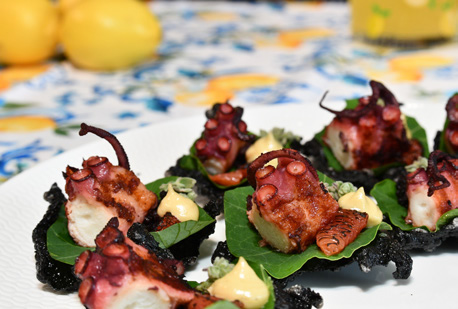
The clearest example of the Worshipful Company of Cooks’ support was the Eric Bruce Memorial Trophy, which the Company sponsored and helped judge. Nine chef and front-of-house teams competed, producing canapés and a matching drink under pressure. The Master and Past Master Appleton were part of the judging team, underlining the Company’s active involvement in recognising young talent. The winning team from Basingstoke College impressed judges with a highly skilled and imaginative pairing: octopus with squid ink tapioca, nasturtium, anchovy mayonnaise, torched grapefruit and oregano, served with a Fantasia BOUZO drink of pineapple, ginger, passionfruit syrup, lemon juice and ouzo. The entry was awarded Gold and Best in Class.
Supporting the future of hospitality
Freeman Andrew Green, chief executive of the Craft Guild of Chefs, described the BCC as an important event on the culinary calendar and a supportive platform for student chefs experiencing competition for the first time. This year’s event also showed a clear increase in front-of-house participation, as more courses blend culinary and service training at Levels 2 and 3.
The 2026 British Culinary Challenge ultimately demonstrated that the future of hospitality depends on both kitchen and service talent. From hot kitchens and cold technical work to edible displays and front-of-house service, the competition gave young people a professional environment in which to challenge themselves, showcase their skills and take an important step forward in their careers. The Worshipful Company of Cooks’ sponsorship of the Eric Bruce Memorial Trophy and involvement in judging reinforced the wider industry support behind that mission.


